- You have no items in your shopping cart
- Subtotal: 0,00 €


Endocannabinoid System & Benefits of Smoking CBD Weed
 OHG'S GROUPPosted on
 CBD Weed ? Endocannabinoid System (ECS) ? Benefits of Smoking CBD Weed ? How Does Smoking CBD Weed Interact with the ECS? Is Smoking CBD Weed Safe?
What is CBD Weed?
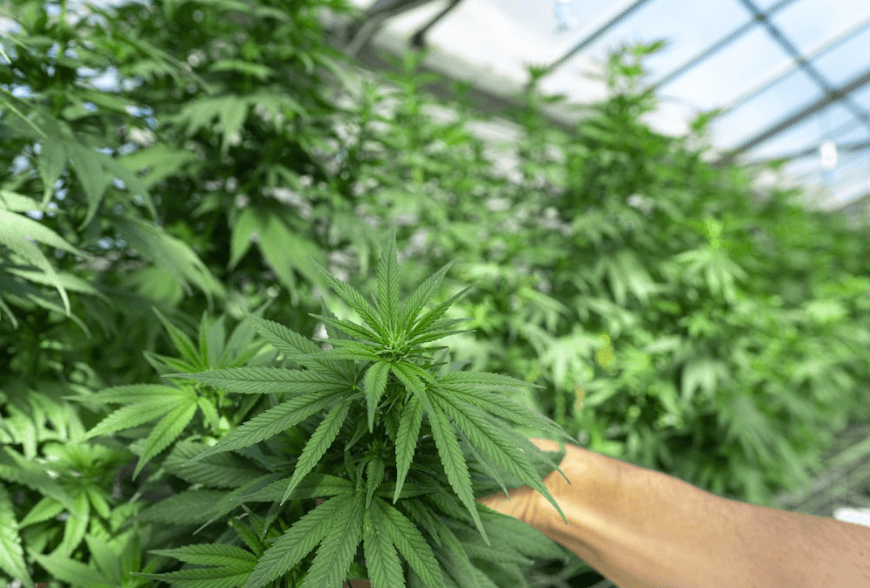
CBD weed refers to cannabis strains that are high in cannabidiol (CBD) and low in tetrahydrocannabinol (THC). Unlike regular cannabis, CBD weed doesn’t produce psychoactive effects or a “high” due to its low THC content (less than 0.3%). This makes it an attractive option for those seeking therapeutic benefits without intoxication.
Understanding the Endocannabinoid System (ECS)
The ECS is a complex cell-signaling system discovered in the 1990s that plays a crucial role in maintaining bodily homeostasis. It consists of three main components:
- Endocannabinoids: Natural compounds produced by the body
- Cannabinoid Receptors:CB1 receptors (mainly in the brain and CNS)
- Enzymes: Responsible for breaking down endocannabinoids
How Does Smoking CBD Weed Interact with the ECS?
Unlike THC, which binds directly to CB1 and CB2 receptors, CBD (cannabidiol) interacts with the ECS in a more indirect way:
- Boosting Endocannabinoid Levels: CBD inhibits the enzymes that break down endocannabinoids, allowing them to remain active in the body for longer periods.
- Modulating Receptors: CBD influences CB1 and CB2 receptors without directly binding to them, which can help regulate their activity and reduce overstimulation.
- Non-ECS Interactions: CBD also interacts with other receptors, such as serotonin and TRPV1 receptors, which contribute to its anti-anxiety, anti-inflammatory, and pain-relieving effects.
By smoking CBD weed, the CBD is absorbed quickly into the bloodstream through the lungs, allowing for fast interaction with the ECS and rapid onset of effects.
Benefits of Smoking CBD Weed
Smoking CBD-rich cannabis offers several potential benefits, many of which are tied to its interaction with the ECS:
- Stress and Anxiety Relief
CBD has been shown to reduce anxiety by modulating serotonin receptors and promoting a sense of calm without the psychoactive effects of THC. - Pain and Inflammation Management
CBD’s ability to influence CB2 receptors and reduce inflammation makes it a popular choice for managing chronic pain, arthritis, and other inflammatory conditions. - Improved Sleep
By promoting relaxation and reducing anxiety, CBD can help improve sleep quality and combat insomnia. - Neuroprotective Properties
Research suggests that CBD may protect the brain by reducing oxidative stress and inflammation, which could benefit conditions like epilepsy and neurodegenerative diseases. - Non-Intoxicating
Smoking CBD weed provides the therapeutic benefits of cannabis without the “high” associated with THC, making it a safer option for those who want to remain clear-headed.
Is Smoking CBD Weed Safe?
While smoking CBD weed is generally considered safe, there are a few things to keep in mind:
- Lung Health
Smoking anything, including CBD weed, can irritate the lungs and may not be suitable for individuals with respiratory conditions. Alternatives like vaping or consuming CBD oils may be better options. - Dosage
Start with a low dose to gauge how your body reacts to CBD. Everyone’s ECS is different, so effects may vary. - Quality Matters
Always purchase CBD weed from reputable sources that provide third-party lab testing to ensure the product is free from contaminants like pesticides, heavy metals, and mold. - Drug Interactions
CBD can interact with certain medications by affecting how they are metabolized in the liver. Consult a healthcare provider if you’re taking prescription drugs.
Conclusion
Smoking CBD weed offers a fast and effective way to interact with the endocannabinoid system, providing potential relief from stress, pain, and other conditions. By boosting endocannabinoid levels and modulating receptor activity, CBD supports the ECS in maintaining balance and promoting overall well-being.However, it’s important to use CBD responsibly, prioritize high-quality products, and consider alternative methods of consumption if smoking isn’t suitable for you. If you’re new to CBD or have specific health concerns, consult a healthcare professional to ensure safe and effective use.